The Importance of Structured Cabling in Video Intercom Systems
A technical analysis on how the quality of the physical installation defines the long-term reliability of video intercom systems.
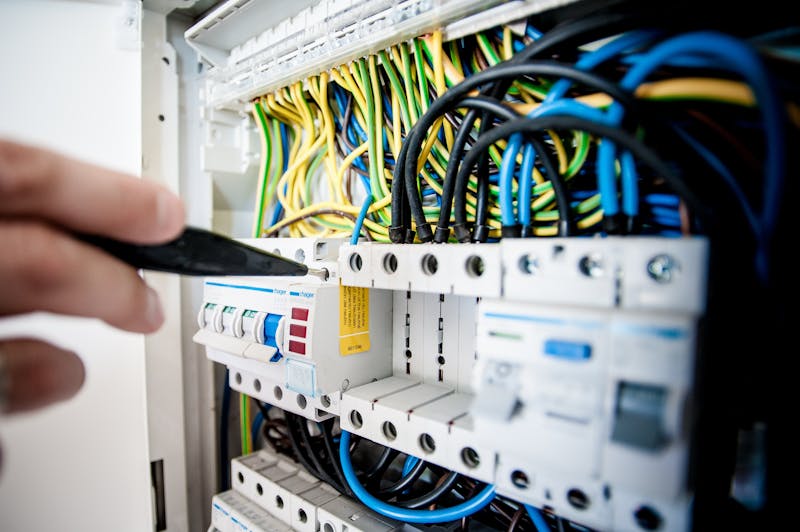
While many focus on the specifications of the screens or cameras, the true backbone of any video intercom system is its cabling infrastructure. In residential condominiums, a poor installation is the main cause of intermittent failures, loss of video signal, and calls that do not complete.
Beyond Connecting Cables
Structured cabling goes beyond simply connecting the main panel to each apartment. It involves meticulous route planning, selecting the correct cable gauge and type (UTP, coaxial, or specific for video), and protection against electromagnetic interference inherent to a building with multiple electrical devices.
In our projects in Miraflores, we use special conduits and fixing points that prevent cable tension and wear over time, ensuring the system functions optimally for years, without the need for costly corrective maintenance.
Integration with Traffic Safety Mirrors
A unique aspect of our installations is the synergistic integration with concave safety mirrors in parking lots. We often leverage the same conduit infrastructure to bring power and signal to strategic points where these mirrors are installed, optimizing time and resources, and creating a unified security ecosystem for the property.
"The reliability of a security system is not in its software, but in the physical quality of its installation. A poorly run cable is the weak link in the entire chain."
Choosing a company with experience in physical cabling for video doorbells is a critical decision for any condominium administration. It's not just about complying with regulations, but about investing in the lasting peace of mind and security of all residents.